

Holy Saturday
Many artists have created black paintings but Anish Kapoor gained attention for his use of Vantablack for sculptures and installations. Vantablack is a substance that absorbs 99.96% of visible light, creating the illusion of infinite depth and the void of the unknown.
In a somewhat similar way, the Church does not celebrate the Eucharist on Holy Saturday but rather invites us to contemplate the deep darkness in the tomb, waiting there for the light of new life.
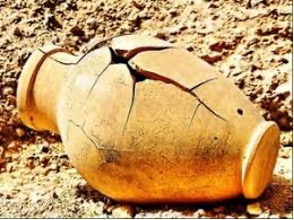
Good Friday of the Lord’s Passion
I am like a pot that is broken.
Psalm 31: 12
Somehow this domestic image, tucked in the middle of the abundance of solemn words by Isaiah and John, Psalm 31, can serve to reassure us that, in Christ’s shattered and risen body, broken pieces of our own lives and world can be made whole.
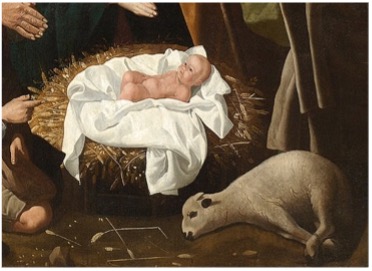
Holy Thursday
“This is how you are to eat [the unblemished lamb]:
with your loins girt, sandals on your feet and your staff in hand,
you shall eat like those who are in flight.
Exodus 12
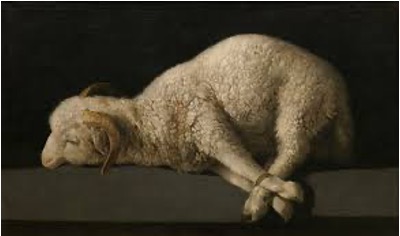
In Zurbarán’s “Adoration of the Shepherds”, the shepherds have brought a bound lamb, which is very similar to the lamb in “Agnus Dei”. The whole arc of the journey from crib to cross is depicted. The prelude, our flight to freedom, our Passover, begins with the binding of Jesus on this night.
Palm Sunday
Jesus and the disciples drew near Jerusalem.
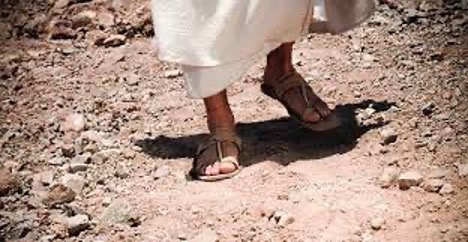
– Matthew 11
AI tells us that to “draw near” means to move closer in physical distance, approach, or to become closer in time, such as an upcoming deadline or event. It signifies narrowing the space between two points or bringing a future date into the present.
In the Lucan version of his drawing near to Jerusalem, Jesus wept over the city, already aware of its path towards destruction.
Over which cities we know or are shown on our TV screens do you weep?
Fifth Sunday of Lent
So Jesus, perturbed again, came to the tomb.
It was a cave, and a stone lay across it.
Jesus said, “Take away the stone.”
John 11
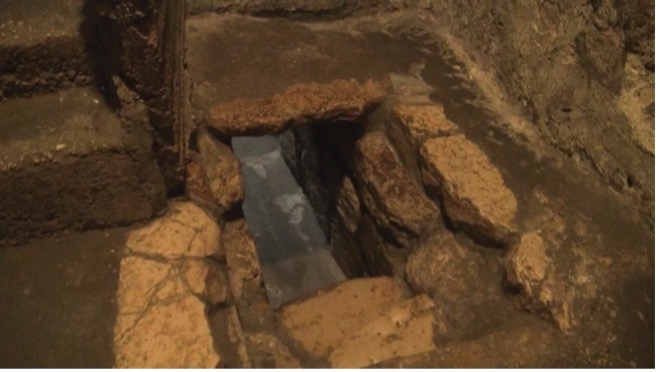
The letter b in the word tomb is silent: tüm – somehow appropriate for a place built or excavated to contain a lifeless body. The stone covering it adds to the sense of mute and motionless darkness below.
John mentions the detail of Jesus being “perturbed” at that spot. Already aware of a similar destination for himself if he continued his mission, he breaks the silence and calls forth Lazarus to new life.
In what ways are we called to speak out against ‘entombing’ situations, especially those in which individuals or whole groups of people are weighed down in a ‘living death’?
Fourth Sunday of Lent – Laetare Sunday
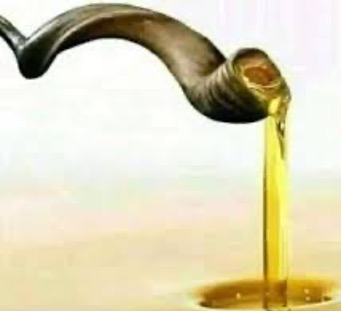
The LORD said to Samuel:
“Fill your horn with oil and be on your way.”
1 Samuel 16
As well as its use as a musical instrument, a horn could be a receptacle for the oil of anointing, usually a sign of healing, blessing and sending forth. On this mid-Lent Sunday, when we might be feeling somewhat weary on the Lenten journey, this first reading, juxtaposed with the Gospel about Jesus healing the man born blind and sending him on his way, perhaps is intended to encourage us simply to keep going.
What nudging or outpouring have we noticed in our own lives this weekend to help us move on rejoicing – with more spring in our step?
Third Sunday of Lent
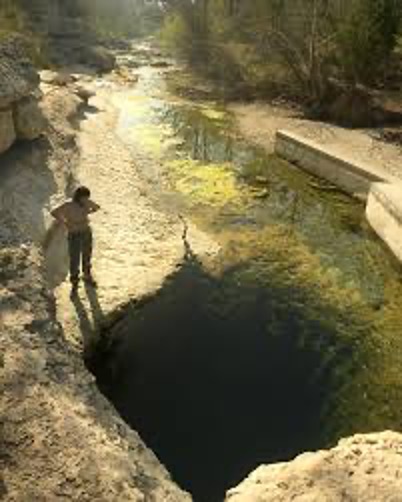
Sir, you do not even have a bucket and the cistern is deep; where then can you get this living water?
– John 4
The nonagenarian Irish priest and theologian, Donal Dorr, wrote that “Jesus unveiled the depths of spiritual power that are available to all who share his humanity and are willing to live with the kind of authenticity he showed.” When one considers the whole complex of an artesian basin of fresh water under Jacob’s well, a bucketful is laughably insufficient.
What helps us dive deep into all that Jesus offers?
Second Sunday of Lent

Jesus took Peter, James, and John his brother, and led them up a high mountain by themselves.
– Matthew 17
Maybe this road up Mount Tabor followed an ancient path taken by Jesus, Simon, James and John. At the top of most mountains is the gift of an expansive view, a new perspective after the struggle of the climb. All four of them probably needed that – in the moment and to reflect on later, when things really got tough.
From whom or what or where in our own life do we get a different perspective which helps us to keep going?
First Sunday of Lent
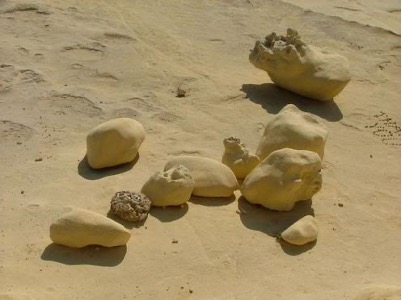
Command these stones become loaves of bread
Matthew 4
As we launch ourselves into Lent, the gospel reading reminds us that it can take long, demanding discernment to distinguish between what is true in essence and what is fake. A few chapters later in Matthew’s gospel, Jesus will use his experience in the desert, referring to the nonsense of a parent giving a hungry child a stone instead of bread.
What do we really want to hand on to future generations – and what is the cost?
Ash Wednesday
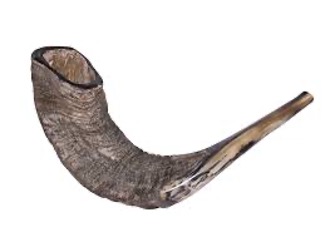
Blow the trumpet … proclaim a fast, call an assembly.
– Joel 2
When you give alms do not blow a trumpet.
– Matthew 6
In ancient times the horn or trumpet was used to announce to the community danger or blessing, war or freedom.
The message in today’s readings does both. It proclaims a season of battle with our conflicted motives and actions, collectively and individually, and also announces the expansiveness in the Risen Christ, brought about in humble, hidden ways.
What do we want to declare or extoll with our lives?

Comments are closed.